Fungi vs Plants: What Is the Difference?
At first glance mushrooms and plants appear similar. Both grow from the ground, remain rooted in place, and respond to environmental conditions such as moisture and temperature. For a long time fungi were even classified as plants.
Modern biology tells a very different story. Fungi belong to an entirely separate kingdom of life with their own cellular structure, growth strategy, and evolutionary history.
Understanding how fungi differ from plants explains why mushrooms grow without sunlight, why they develop so quickly indoors, and why they play a completely different role in nature.
Overview of Fungi and Plants
What Are Fungi?
Fungi include mushrooms, moulds, and yeasts. Instead of producing their own food, fungi absorb nutrients from organic material around them.
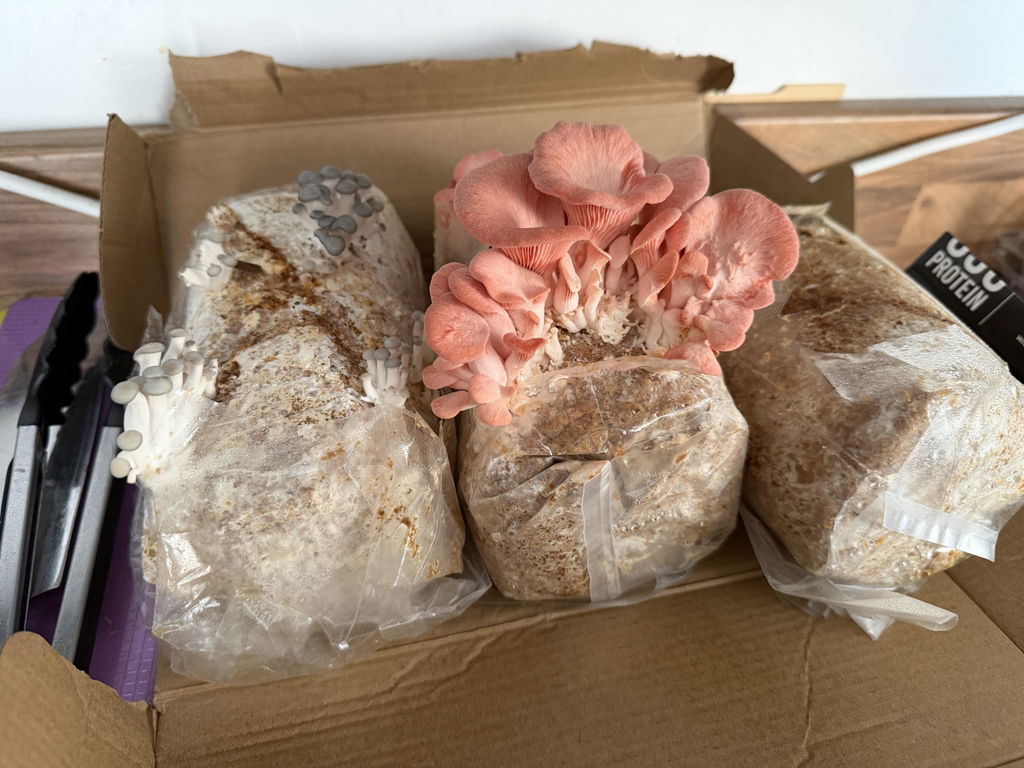
The visible mushroom is only a reproductive structure. The main organism exists as a microscopic network called mycelium, which spreads through soil, wood, or other organic matter.
Fungi release enzymes into their surroundings, breaking complex materials into simpler nutrients which are then absorbed directly through cell walls.
What Are Plants?
As you may be aware, plants produce energy through photosynthesis. Using sunlight, water, and carbon dioxide, plant cells create sugars that fuel growth.
Leaves capture light energy while roots absorb water and minerals. This ability allows plants to act as primary producers within ecosystems.
Unlike fungi, plants do not digest material externally before absorbing nutrients.
Key Scientific Differences Between Fungi and Plants
| Category | Fungi | Plants |
|---|---|---|
| Kingdom | Fungi | Plantae |
| Energy source | Heterotrophic. Absorb nutrients from organic material. | Autotrophic. Produce sugars using sunlight. |
| Photosynthesis | No chlorophyll present. | Chlorophyll enables photosynthesis. |
| Cell wall composition | Chitin, similar to insect exoskeletons. | Cellulose fibres. |
| Main body structure | Mycelium networks made of hyphae. | Roots, stems, and leaves. |
| Reproduction | Release microscopic spores. | Seeds or pollen depending on species. |
| Growth direction | Expand outward through substrate. | Grow upward toward light. |
| Evolutionary relationship | Closer genetically to animals. | Separate lineage of multicellular autotrophs. |
How Fungi and Plants Obtain Energy
The biggest scientific difference lies in how each organism obtains energy.
Fungi: External Digestion
Fungi digest food outside their bodies. Mycelium releases enzymes that break down wood, leaves, or other organic matter.
Once broken down, nutrients are absorbed directly through fungal cells.
This process allows fungi to grow rapidly through material and recycle nutrients that would otherwise remain locked away.
Plants: Photosynthesis
Plants capture light energy inside chloroplasts. Through photosynthesis they convert carbon dioxide and water into glucose.
This makes plants the foundation of most food chains because they create energy rather than recycle it.
Structural Differences Explained
| Structure | Fungi | Plants |
|---|---|---|
| Transport system | Nutrients move through branching hyphae. | Vascular tissues transport water and sugars. |
| Growth pattern | Radial expansion through substrate. | Vertical growth toward sunlight. |
| Visible organism | Mushroom is temporary fruiting body. | Entire plant body visible above ground. |
| Light dependence | Indirect light only needed for orientation. | Direct light required for survival. |
Pros and Cons in Growing Conditions
Fungi
- Grow indoors without sunlight.
- Rapid harvest cycles.
- Can grow using recycled organic materials.
Challenges include humidity control and avoiding contamination during early stages.
Plants
- Produce oxygen and edible crops.
- Widely familiar gardening practices.
However many plants require strong light, seasonal outdoor conditions, or artificial grow lighting indoors.
When To Grow Fungi vs Plants
Fungi are ideal for indoor growing where sunlight is limited. Kitchens, cupboards, and shaded areas can support mushroom growth throughout the year.
Plants are better suited to outdoor gardens or bright indoor spaces where light is consistent.
Many home growers combine both approaches, growing herbs or vegetables near windows while cultivating mushrooms elsewhere indoors.
Real Life Example
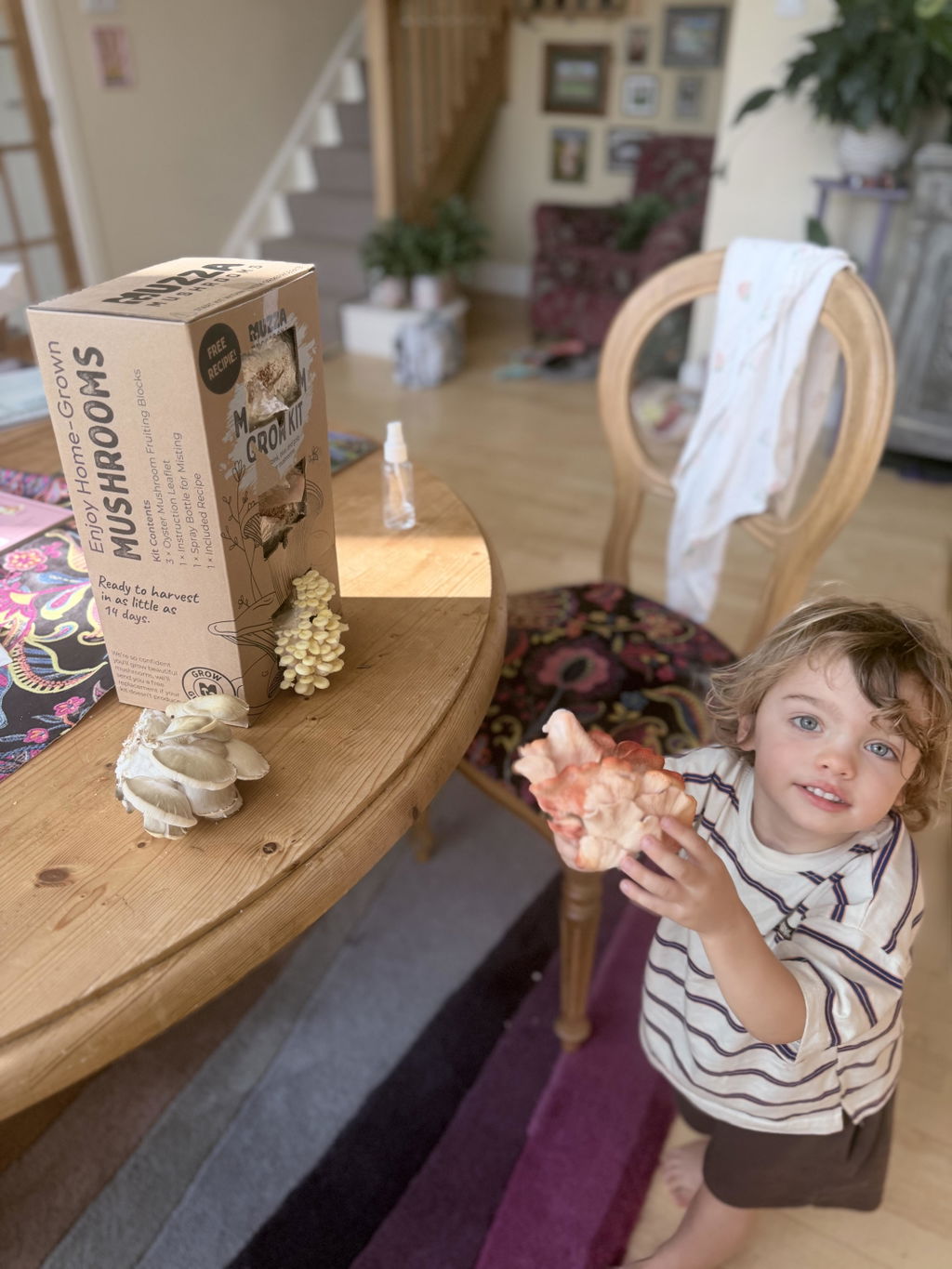
Urban homes often struggle to grow vegetables during winter due to limited light hours. Oyster mushrooms, however, can fruit successfully in shaded environments using only humidity and airflow.
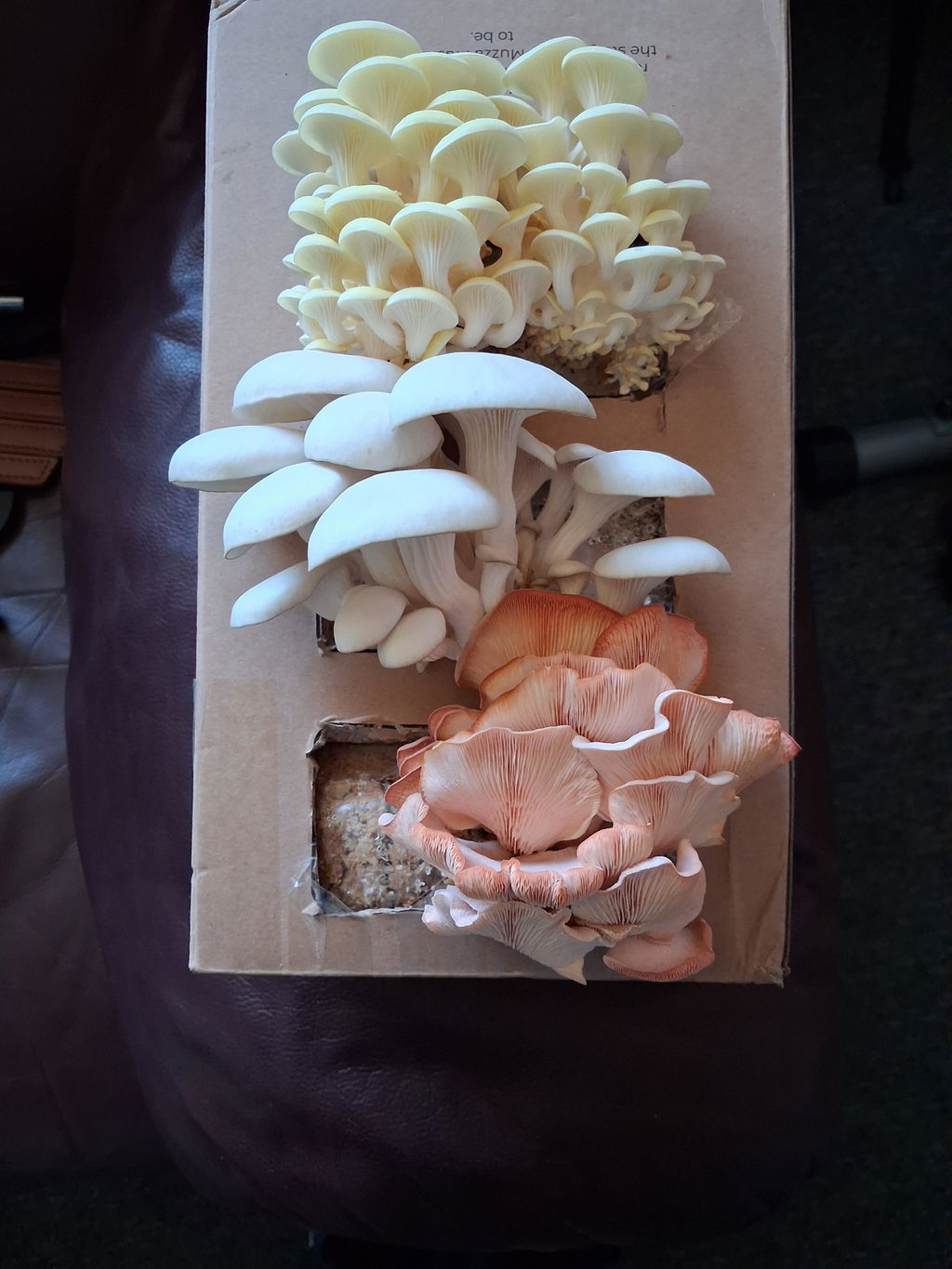
Seeing both systems side by side highlights how differently fungi and plants interact with their environment.
Closing
Although fungi and plants may look similar at a glance, their biology operates on completely different principles. Plants create energy from sunlight, while fungi recycle nutrients through decomposition.
Understanding this difference helps explain why mushrooms can grow quickly indoors and why they require a unique growing approach.
If you want to see fungal biology in action, the Muzza Mushrooms 3 in 1 oyster mushroom grow kit lets you watch mycelium develop and fruit directly from your countertop.
Growing multiple oyster varieties side by side makes it easy to observe how fungi behave differently from plants.